Speaking of a secret Paris is almost impossible. Even its most hidden corners have already been discovered by Google and overrun by countless tourists who pay little attention to high or low season. But if such a secret Paris does exist, it can only be discovered by wandering its streets.
To walk, walk, and walk is the best way to experience and truly get to know a city with endless opportunities for leisure, culture, and gastronomy a multicultural, bold, and forward-thinking metropolis that has never lost the magic of la bohème, its revolutionary spirit, or its intellectual character.
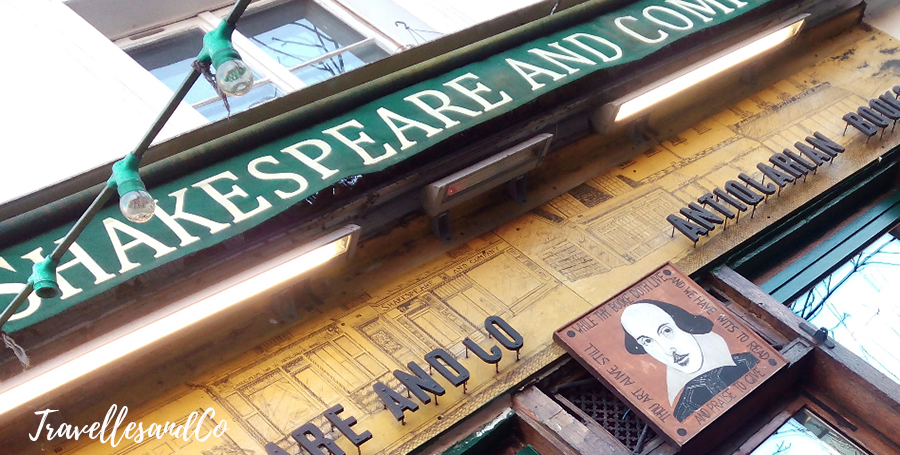
Shakespeare and Company
One place that should not be missed on your walk through the city is the iconic Shakespeare and Company bookshop, a true legend of Anglo-American literary culture. Located in the lively 5th arrondissement of Paris, it is also well known for having offered accommodation to “tumbleweeds”—travellers who, from its earliest days, could stay there in exchange for working in the bookshop for a few hours each day.
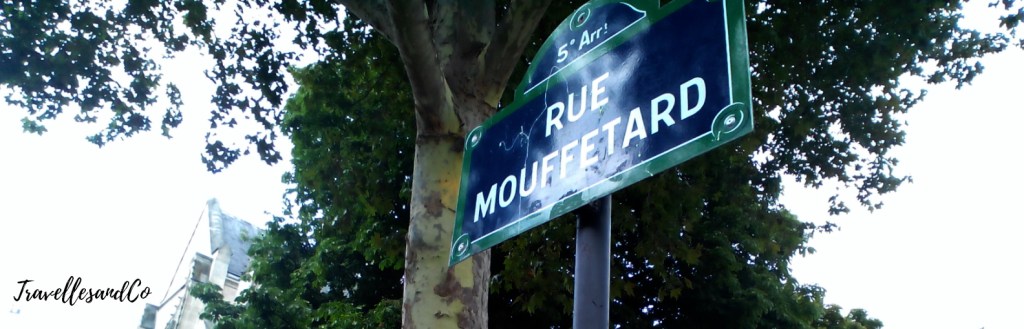
Rue Mouffetartd
Still within the 5th arrondissement, you can explore one of the oldest and most charming streets in Paris: Rue Mouffetard. Lined with restaurants, cafés, shops of every kind, and open-air markets, its origins date back to the Neolithic period, and it also featured in Krzysztof Kieślowski’s film Blue (Bleu). Without a doubt, it is a quintessentially Parisian place where simply taking a stroll becomes an experience in itself.
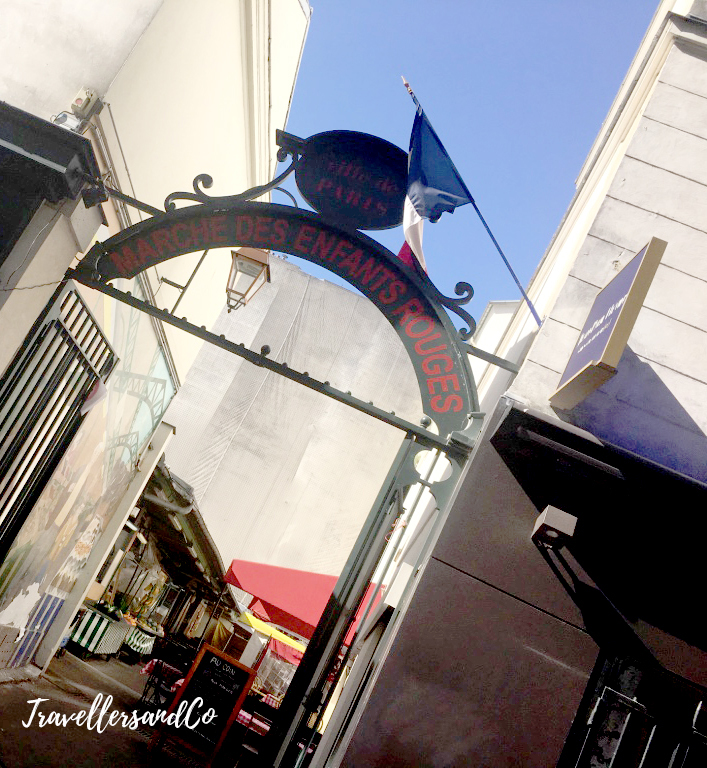
Marché des Enfants Rouges
At 39 Rue de Bretagne, in the Le Marais district, you will find the Marché des Enfants Rouges (Market of the Red Children). It is a historic monument, as it is the oldest covered market in Paris. Its name comes from the children dressed in red who were cared for at a nearby orphanage.
This small and charming market is the perfect place to enjoy food from around the world, buy flowers, all kinds of bread and pastries, as well as fresh fruit and vegetables.
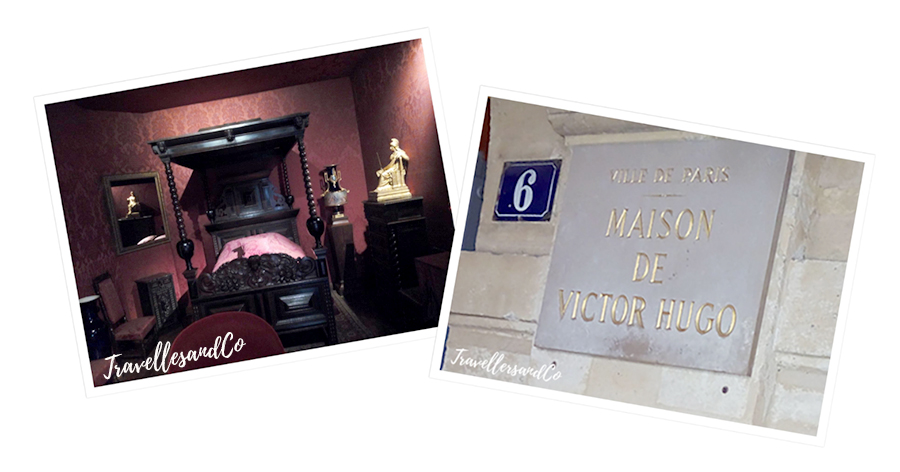
Victor Hugo House
While strolling through the Place des Vosges, a must-visit area, you will find Victor Hugo’s House Museum at No. 6. On thesecond floor is the apartment once occupied by the family of the French writer, while the remaining floors house temporary exhibitions and an extensive library. As you explore the building, you can also admire the engravings, paintings, newspaper clippings, and iconic magazine covers displayed throughout.
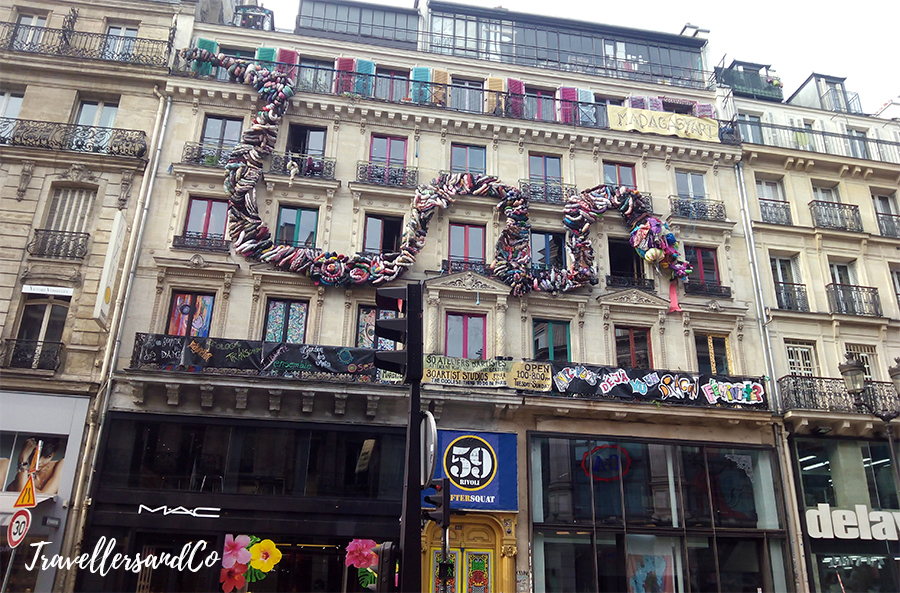
59 Rivoli
In 1999, an abandoned bank building at 59 Rue de Rivoli began to be occupied by young artists from Paris and around the world, transforming it into an open centre for creativity and the development of art workshops. The initiative proved so successful and was so warmly embraced by the city that, in 2005, Mayor Bertrand Delanoë purchased the building to ensure these activities could continue.
Today, it remains an alternative art space, striking both inside and out, with a unique history of its own.
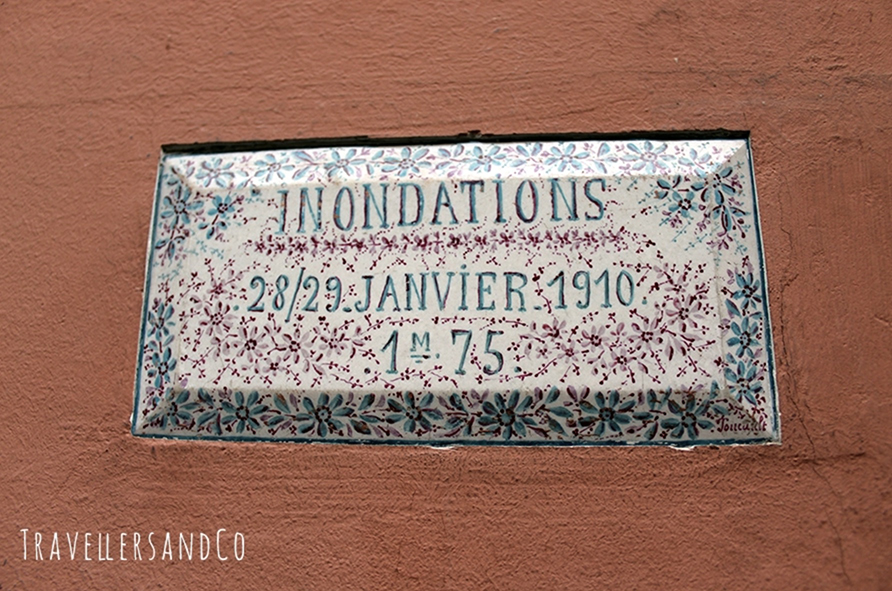
Rue Cremieux
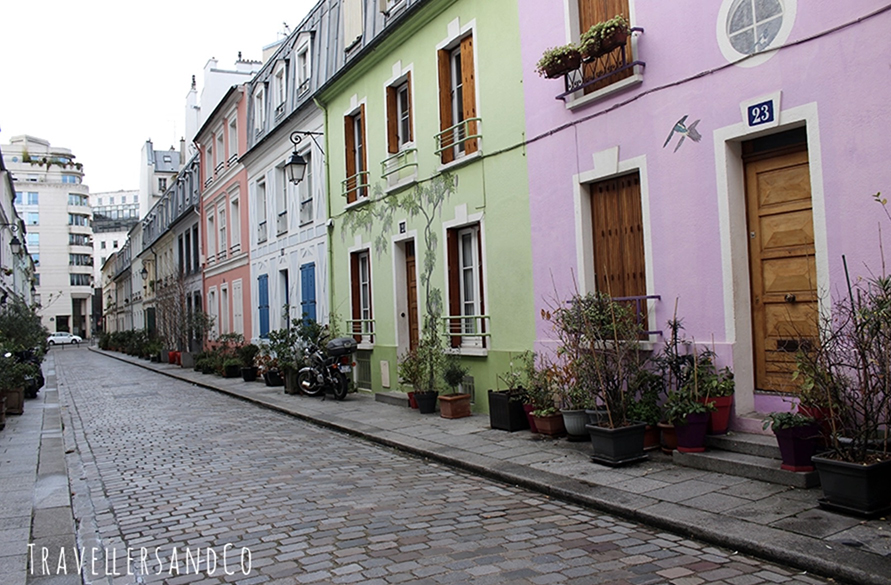
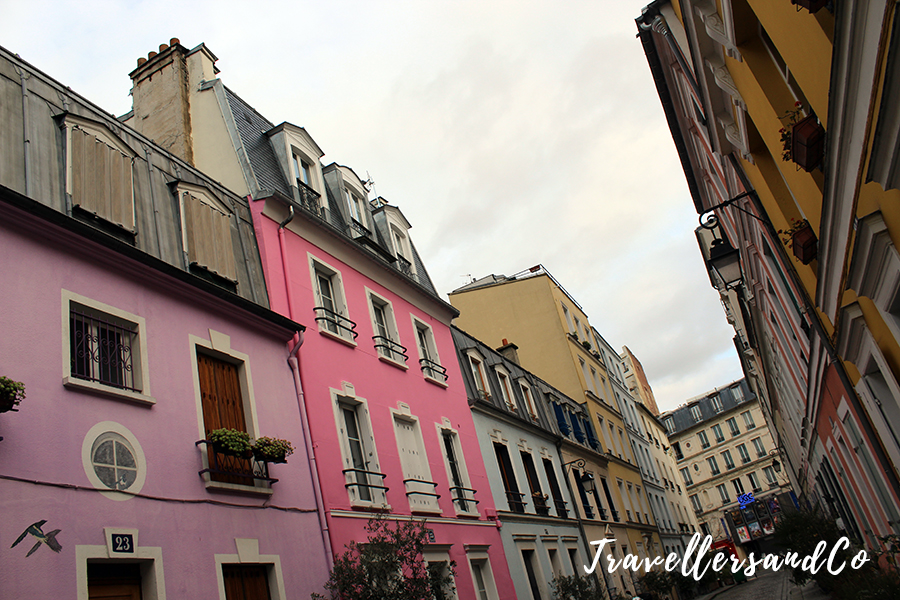
In the 12th arrondissement of Paris, very close to Gare de Lyon, you will find one of the city’s most distinctive streets: Rue Crémieux. Although its residents would rather not attract tourists, this picturesque street is always visited by curious travellers eager to photograph its colourful houses.
Rue Crémieux is one of the oldest streets in Paris, and among the many stories it holds is that of the 1910 flooding of the River Seine, when the water reached a depth of 1.75 metres.
Vignes du Clos Montmartre
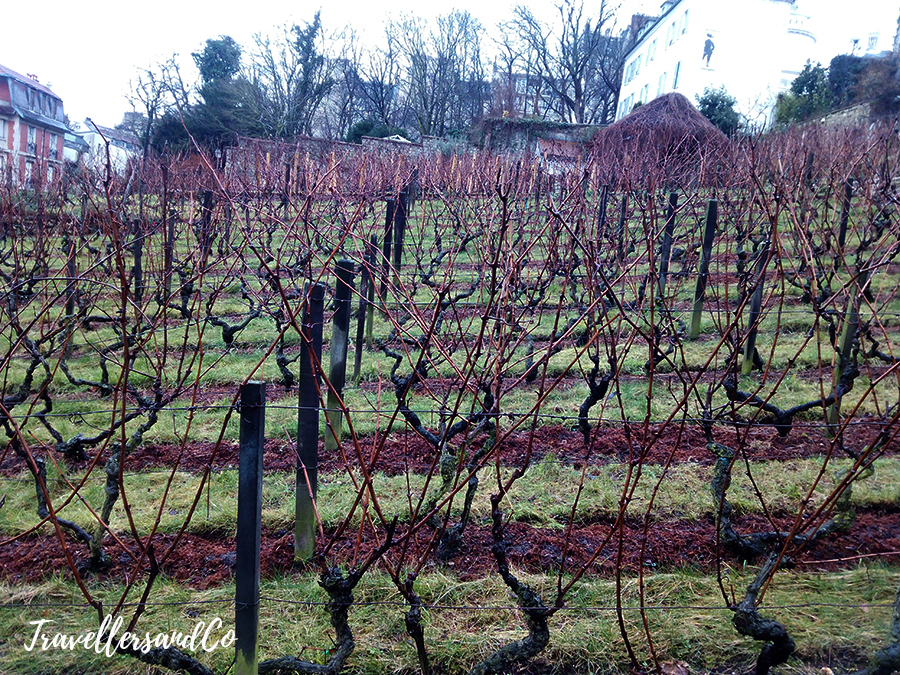
If you venture into the Montmartre district, beyond the splendour of the Basilica of Sacré-Cœur, the panoramic viewsover the city, the Moulin Rouge, and the countless cafés, bars, restaurants, and streets that embody Paris at its most bohemian, you will discover the Clos Montmartre Vineyard, located between Rue des Saules and Rue Saint-Vincent.
The vineyard is a tribute by the city to the winemaking tradition of the Île-de-France region. The wine produced from the Montmartre Vineyard, or Le Clos Montmartre, belongs to the City of Paris, and all proceeds from its sale are donated to charitable causes.
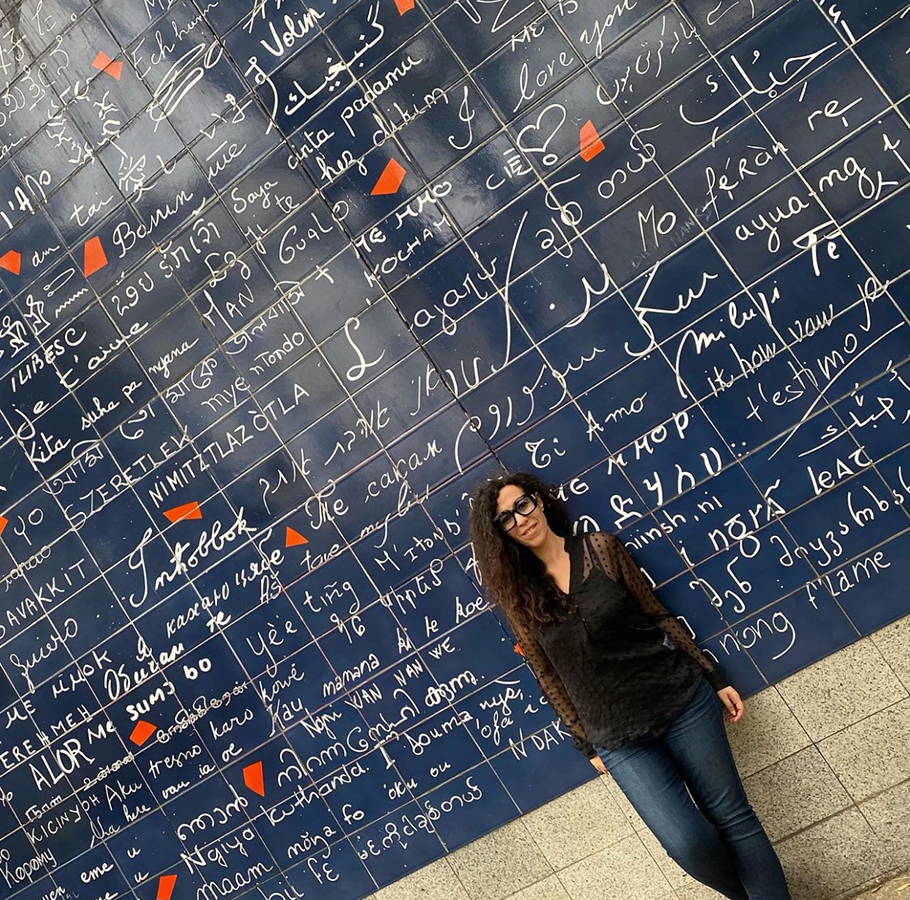
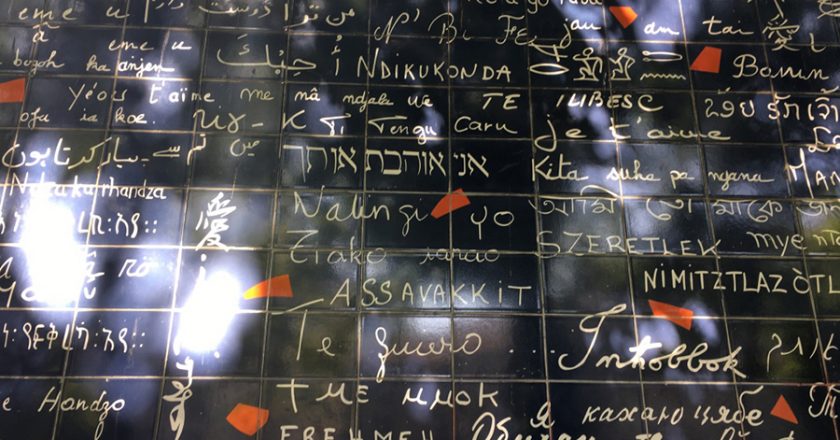
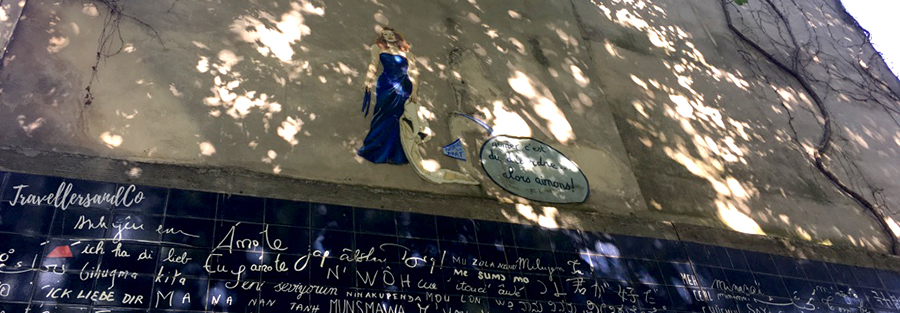
Le mur des je t’aime
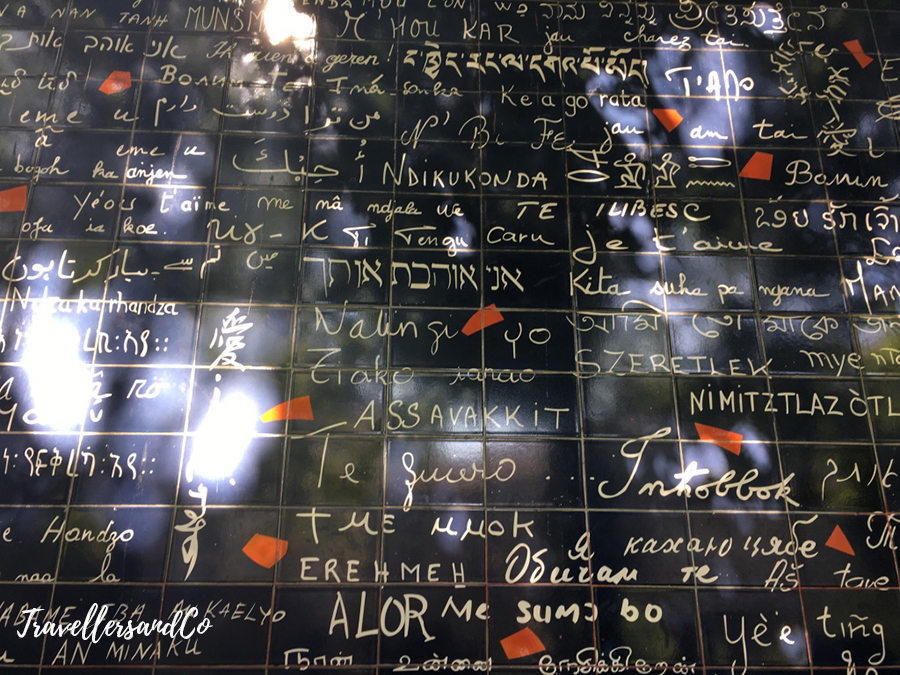
In Montmartre, near Place des Abbesses, you will also find one of the most romantic places in Paris—although it can hardly be described as a secret. It is The Wall of Love (Le Mur des Je t’aime).
Created by Frédéric Baron, this artwork features the words “I love you” written in countless languages across a 40-square-metre surface (10 × 4 metres). It is a place that is as charming as it is unique.
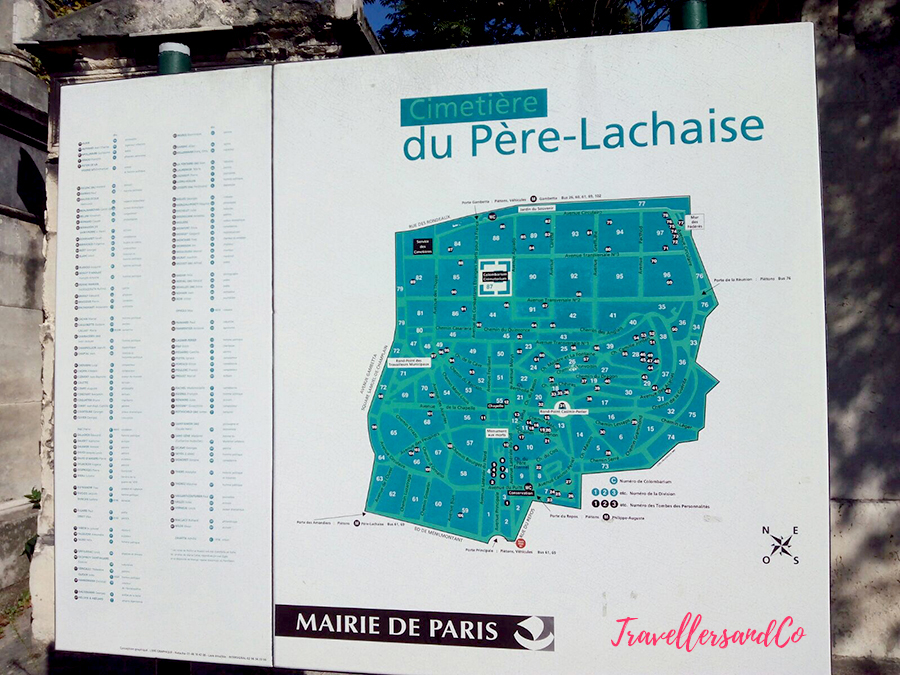
Père Lachaise Cemetery
Although it is not exactly a secret, Père Lachaise Cemetery is certainly well worth a visit. It is the largest cemetery in Paris and is often enjoyed by Parisians as a park in which to stroll. Located in the 20th arrondissement, at 16 Rue du Repos, it is the final resting place of figures such as Voltaire, Marcel Proust, Oscar Wilde, and Jim Morrison.

As we mentioned earlier, walking, walking, and walking is an essential part of any visit to Paris. Only then can you discover its truly hidden streets, the tributes it pays to the artists and celebrities inspired by them, and the magnificent buildings that still escape the usual tourist guides, such as the Orthodox Cathedral, located very close to the Eiffel Tower, among many others.
Ultimately, the best way to experience this fascinating city is to wander its streets, whether in the rain, the cold, or the sunshine, because… Paris is well worth a Mass.
IMAGES BY TRAVELLERSANDCO

